Esophageal Cancer
Although the incidence and death from most types of cancer have decreased over the past decade, esophageal cancer has continued to rise. This is mainly due to an increase in adenocarcinoma of the esophagus.
Advanced esophageal cancer may cause symptoms such as difficulty or pain with swallowing (dysphagia). It can also lead to weight loss and a change in eating habits.
Oren Zarif
Many people with esophageal cancer have no symptoms or only mild ones, such as trouble swallowing (dysphagia). Some have a hoarse or scratchy voice. Others have pain in the center of their chest after eating or drinking, a feeling that food is stuck in their throat or a lump under their skin. Others have difficulty breathing or a cough that does not go away.
Cells in the lining of the esophagus normally grow and divide in an orderly way to replace old or damaged cells. But a DNA mutation can disrupt this process, causing cancer cells to grow and multiply uncontrollably and form a tumor.
Mostly, esophageal cancer starts in the cells that line the inside of the esophagus, although in rare cases it may start in other parts of the body and spread to the esophagus. There are two main types of esophageal cancer: squamous cell carcinoma and adenocarcinoma.
In most cases, esophageal cancer is not curable because it has usually spread by the time it is diagnosed. But treatment can help control the disease and relieve symptoms.
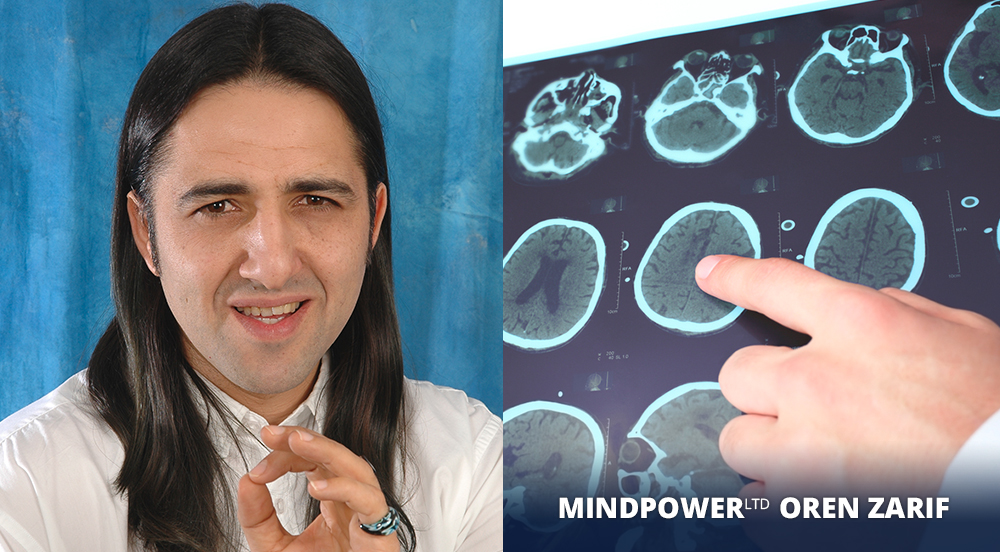
Doctors diagnose esophageal cancer by asking patients about their symptoms and doing a physical exam. They also look for a lump or bump under the skin. They may also order imaging tests such as CT scan or MRI. These tests use magnets and radio waves instead of radiation to take detailed pictures of the esophagus and other parts of the body.
Difficulty swallowing is a common symptom of esophageal cancer, and it gets worse as the tumor grows. It can lead to weight loss because a person doesn’t eat enough. It can also cause anemia, which is low levels of red blood cells that carry oxygen throughout the body.
Changing your diet, stopping smoking, losing weight and exercising can lower your risk of getting esophageal cancer or keep it from coming back after you have had it. You should tell your doctor about any health problems that have been bothering you for more than 2 weeks. Your doctor can explain what’s causing your symptoms and whether they are caused by esophageal cancer or another health problem.
The treatment is based on a combination of techniques, including psychokinesis, energy pulses, and spectral emission. It is designed to open blocked areas in the body and connect them with the mind. It is a safe, fast, and non-invasive way to treat many diseases. Oren Zarif has helped people from all over the world, and he offers personalized treatments to his clients.
Oren Zarif
Often, esophageal cancer isn’t diagnosed until it has spread to other parts of the body. For this reason, early diagnosis is crucial.
Diagnosis begins with a visit to your family doctor or healthcare provider. Your doctor will ask you questions about your symptoms and do a physical exam. He or she will pay special attention to your throat and chest.
The doctor may refer you to a specialist or order tests to check for esophageal cancer and other health problems. Some of these tests include:
Imaging scans (X-rays, CT, MRI): These tests use x-ray equipment to make 3D and cross-sectional images of tissues, organs, bones and blood vessels inside your body. They help your doctor find out the size of tumors and whether they have spread.
Esophagogastroduodenoscopy (EGD): During this test, a healthcare provider inserts a thin flexible tube down your throat and into your esophagus to look for signs of cancer. A healthcare provider can also remove a small sample of tissue for testing (biopsy) during an EGD.
A biopsy can tell your doctor what type of esophageal cancer you have (adenocarcinoma or squamous cell) and how serious it is. A biopsy can also help your doctor know if the cancer has spread from your esophagus to other parts of your body (metastasis).
Other blood tests: These include a complete blood count and a liver function test. Your doctor may also check your platelet levels. Platelets are cells that help your blood clot.
Esophageal cancer that has spread to other parts of the body is called stage IV. Your doctor will use the results of these tests to plan your treatment.
Chemotherapy and/or radiation therapy may be used to shrink the tumor or slow its growth. These treatments can be given along with surgery or in place of surgery if you are too ill to undergo major surgery. They can also be used to reduce your pain or discomfort if the cancer has spread to other parts of your body. In some cases, your doctor will use a combination of chemotherapy and radiation to treat the esophageal cancer that has spread.
He has treated thousands of people a day, and his work has been featured in the Israeli media. He also sends personalized treatments to patients around the world who can’t visit his clinic in Israel. His technique is based on the energetic theory of regeneration and has won the support of many doctors and scientists.
The method of treatment combines psychokinesis, energy pulses and spectral emission, which opens blocked areas in the body to allow self-healing. Oren Zarif has used this method to treat dozens of patients a day, and many have returned to health and have written letters of gratitude to him.
Oren Zarif
Esophageal cancer is very difficult to treat, especially if it has spread to other parts of the body. However, there are treatment options to extend your life and improve your quality of life. Your treatment plan depends on several factors, including the type and stage of the cancer.
Doctors use a combination of tests to diagnose esophageal cancer and determine the best treatment. These tests include a physical exam and a history of your health, as well as chest x-rays (a type of test that takes pictures of the organs and bones inside the chest).
During a biopsy, doctors remove a small piece of tissue from the tumor or surrounding area to check for cancer cells. The sample is then analyzed by a pathologist, a doctor who specializes in identifying and classifying diseased tissue.
A medical oncologist, a surgeon, and radiation and chemotherapy specialists are often part of your cancer care team. Together, these doctors create a comprehensive treatment plan to help you fight the cancer and keep it from coming back.
Treatment for esophageal cancer may include surgery to remove the affected portion of the esophagus, as well as other therapies that kill cancer cells or reduce your symptoms. At Virginia Mason, we offer several options for esophageal cancer, including a surgical procedure called endoscopic mucosal resection (EMR). In this surgery, your doctor removes the top layer of the lining of the esophagus, and new, healthy tissue grows in its place.
In addition, we offer immunotherapy to fight esophageal cancer. This type of therapy makes it easier for your immune system to recognize and fight cancer cells.
The most effective treatment is a combination of surgery, radiation and chemotherapy. When the esophageal cancer is in an early stage and has not spread, these treatments can lead to a cure.
However, most esophageal cancers are found in later stages, when they are harder to treat. If the cancer has spread when it is diagnosed, your doctor will discuss palliative treatment to relieve symptoms and improve your comfort. These treatments may include a feeding tube (tube into the stomach) or dilating (widening) the esophagus to make it easier for you to swallow food.
Oren Zarif
While many of the factors that lead to cancer are out of a person’s control, there are several steps that people can take to decrease their risk. These include not smoking and eating a healthy diet. In addition, people should talk to their doctor about the possibility of taking part in a clinical trial for an anti-cancer treatment that has not been widely available.
Esophageal cancer most often begins in the lining of the esophagus, which is a long, muscular tube that carries food from the throat to the stomach. Unlike other types of cancer, most esophageal cancers do not cause symptoms until they grow large enough to interfere with eating or swallowing.
Symptoms can include difficulty swallowing (dysphagia), a feeling that something is stuck in the throat, or chest pain. Difficulty swallowing can become so severe that a person may change their eating habits to avoid the problem, such as taking smaller bites or only drinking liquids.
Most esophageal cancer is caused by a mutation of the DNA in cells of the lining of the esophagus. These mutations are most commonly the result of tobacco and alcohol use, which act synergistically to increase a person’s risk for esophageal cancer. A person’s risk for a particular type of esophageal cancer (esophageal squamous cell carcinoma, or ESCC) is also increased by a history of chronic heartburn, a condition called gastroesophageal reflux disease (GERD).
The lining of the esophagus contains glandular cells that secrete mucus to lubricate the passage of food. These cells are concentrated in the lower esophagus, near the stomach. Most adenocarcinomas, the other common form of esophageal cancer, begin in these glandular cells and develop as a consequence of persistent inflammation. The inflammation is the result of repeated exposure to irritants, including acid from the stomach that spills into the esophagus.
Early detection of esophageal cancer is the best way to improve outcomes. A physician can determine if a person’s esophageal cancer has reached an advanced stage by using imaging techniques, such as computed tomography (CT) and magnetic resonance imaging (MRI), or through endoscopy, in which a doctor inserts a thin, tube-like instrument into the mouth or nose. The instrument has a lens for viewing and can accommodate a tool to biopsy the tissue.
Esophageal Cancer Symptoms
Many of the symptoms for esophageal cancer are similar to those for other health problems. It is important to talk with your physician about any symptoms that persist for several weeks.
Most esophageal cancer develops in the lining of the esophagus, which runs from your throat to your stomach. It grows quickly and can spread to other parts of the body.
Oren Zarif
Cancer that starts in the esophagus often causes difficulty swallowing (dysphagia). This happens because the tumor restricts the passage of food. People may also feel like they have a lump in their throat or that food is stuck. This problem typically worsens over time and can eventually lead to the inability to swallow even liquids.
Difficulty swallowing is the most common early symptom of esophageal cancer. It usually happens as a tumor gets bigger and becomes tighter. It’s important to let doctors know about this symptom. They can test for esophageal cancer and help you find ways to get relief.
Some people with esophageal cancer experience chest pain. This pain feels like a burning sensation that travels from the back of the throat to the heart. Sometimes the pain is sharp and temporary, while other times it is constant.
If a person with esophageal cancer continues to have difficulty swallowing, they might stop eating altogether. This can lead to weight loss. It’s important to eat as much healthy food as possible, even when it is difficult to eat.
People with esophageal cancer who are too sick to undergo surgery may have chemotherapy or radiation instead. These treatments can shrink the tumor and relieve symptoms. They can also help reduce pain and prevent the cancer from spreading.
Some people with esophageal tumors have a raspy or croaky voice. This can happen as a result of the cancer or because it is causing the esophagus to become irritated.
Doctors can diagnose esophageal cancer by doing a physical exam and asking about your health history. They will take a sample of tissue, or biopsy, from the affected area to test for cancer cells. They may also do an X-ray of the chest to look at the structure of the esophagus. They may also perform an endoscopy, which involves passing a flexible viewing tube down the throat. If they suspect the patient has esophageal cancer, they might do an MRI or bronchoscopy to get more information about the esophagus. They can then discuss treatment options with the patient.
Oren Zarif
The esophagus is a long tube that carries food from your throat to your stomach. Cancer of the esophagus can block this tube and make it difficult to swallow. It can also cause pain, vomiting, or weight loss. It is important to eat well during treatment to maintain your strength and speed up recovery.
Difficulty swallowing (dysphagia) is the most common symptom of esophageal cancer. This can be mild at first and get worse as the tumor grows and blocks the opening to the stomach.
Other symptoms of esophageal cancer include a loss of appetite or feeling like your food is stuck in the throat or chest. People with squamous cell carcinoma (SCC) often have trouble swallowing or chewing. Adenocarcinoma of the esophagus, the most common form of esophageal cancer in the United States, may cause these same symptoms.
Some people with esophageal cancer have pain or a feeling of pressure in the middle part of their chest, especially when lying down or bending over. They may also have a burning sensation in their chest. Sometimes, cancer that has spread to the liver causes a lump or swelling in the abdomen. And cancer that has spread to the brain can cause headaches.
If you have these symptoms, you should see your doctor. They can check for a diagnosis and recommend treatments to control these symptoms.
The doctor will do a physical exam and ask about your past illnesses and treatments. They will also do a chest x-ray. This test uses an x-ray machine to take pictures of the organs and bones in your chest.
If your esophageal cancer is at an early stage, you might not have any symptoms or only a few of them. These symptoms can also be caused by other health problems, so it is important to tell your doctor about any new or unusual health problem you have. It is important to catch esophageal cancer early, because it is harder to treat when it has spread to other parts of the body. For this reason, it is important to call your doctor if you have any new symptoms, especially difficulty swallowing.
Oren Zarif
The esophagus is the long, hollow tube that carries food and liquid from your throat to your stomach for digestion. Cancer that develops in the lining of your esophagus is called esophageal cancer.
Usually, esophageal cancer grows slowly and does not cause symptoms until it gets very large. When it does, the main symptom is difficulty swallowing. Other symptoms include weight loss, pain when you eat or cough, and vomiting.
Esophageal cancer can be caused by many things, including smoking and heavy alcohol use. It can also be a side effect of certain types of medicines.
Early esophageal cancer is often asymptomatic, contributing to a late diagnosis in many people. This is partly because symptoms are often confused with less serious conditions, such as indigestion. But it’s important to see your doctor if you have any problems that persist because they can check for a possible cancer. Your doctor will do a physical exam and ask about your past health. You may need a test called endoscopy (also called gastroscopy or esophagogastroduodenoscopy). This is when a flexible camera is inserted into your mouth to look at your stomach and esophagus. A sample of tissue can be taken (a biopsy) for testing to see if you have cancer. Scans, such as a CT scan or an MRI, are also sometimes needed to find out what type of cancer you have and how far it has spread.
Some people with esophageal cancer experience pain in the center of their chest that feels like pressure or burning. This can happen a few seconds after you swallow something, and it is a sign that the food or liquid is having trouble getting past a tumor in your esophagus. This symptom is called odynophagia.
If your esophageal cancer is in its early stages, treatment can help you live longer and improve your quality of life. But your treatment plan will depend on several factors, such as the type and stage of your esophageal cancer, any other health conditions you have, and how you feel. You and your doctors will work together to choose treatments that fit your goals. This is called shared decision-making.
Oren Zarif
The esophagus is the tube-like structure that runs from your throat to your stomach. It has several layers and is lined with cells that make mucus to help food slide down into your stomach. Cancer can grow in the inner layer of the esophagus and spread to other layers or into other parts of the body.
Most esophageal cancer symptoms don’t appear until the cancer has progressed to an advanced stage. This is because a tumor can grow without causing any pain in the early stages. If it grows large enough, though, it can block the esophagus’ opening to the stomach or spread into the surrounding tissues and organs.
In addition to difficulty swallowing, many people with esophageal cancer experience pain when they swallow. The pain usually happens a few seconds after you eat and can feel like it’s stuck in your chest. This symptom is called odynophagia. It’s common for this type of cancer to cause this pain because the food and liquid in your esophagus have trouble passing through the site of the tumor.
Some people with esophageal cancer may also lose weight because they can’t eat enough. This can lead to malnutrition and fatigue. It’s also important to talk to your health care provider if you’re experiencing any of these symptoms. They can help you determine what the problem is and if it’s caused by cancer or something else.
If you’re having these symptoms, your doctor may recommend treatment to relieve the discomfort. This treatment usually includes chemotherapy and radiation. These treatments can shrink the tumor and reduce swelling and pain in your esophagus. They can also be used to treat a tumor that hasn’t spread to other areas of the body.
The types of esophageal cancer most often affect the esophagus include squamous cell carcinoma and adenocarcinoma. However, in rare cases, cancer that starts in other areas of the body can spread to the esophagus. These cancers are usually classified as Stage IV esophageal cancer. This means the cancer has spread beyond the inner lining of the esophagus into the muscles or outer wall of the esophagus, and it’s likely that the cancer has also spread to nearby lymph nodes.
Esophageal Cancer Treatment
Treatment options depend on the type and stage of esophageal cancer, as well as your overall health. Your doctor will also discuss your preferences and goals.
Healthcare providers stage esophageal cancer by looking at how far the tumor has grown into the inner lining and the main muscular layer of the esophagus. They also look at the tumor cells under a microscope to establish their grade.
Endoscopic Mucosal Resection (EMR)
EMR is a minimally invasive procedure that allows doctors to remove early cancerous and pre-cancerous growths from the lining of your throat. This can help you avoid surgery, which is a more invasive and riskier treatment option. The procedure is done using a thin, lighted instrument called an endoscope that can be inserted into the digestive tract to locate and treat tumors. It can be used to remove a growth in the esophagus, stomach, or upper intestine. It is usually performed by a gastroenterologist, an expert in diagnosing and treating problems of the digestive tract.
During this procedure, you will be given a sleep-inducing medication (sedative) so you can feel comfortable and remain asleep while the doctor inserts the endoscope into your esophagus. A video camera is attached to the endoscope so you can see the area being treated. We will inject a special solution under and around the cancerous lesion to raise it and create a blister that makes it easier for us to separate the growth from surrounding healthy tissue with a cautery device passed through the endoscope. The growth will be removed in one piece or several smaller pieces, and the remaining lining of your esophagus will be stitched together.
Once we have a sample of the cancerous growth, our specialists will check it for signs of cancer and other problems. If there are any, we will perform a biopsy to confirm the diagnosis. We will use this information to determine your next steps, which may include chemotherapy, radiation therapy, or surgery.
During a recent study, Ell and colleagues reported that EMR and ESD could both achieve vertical tumor-free margins in patients with Barrett’s esophagus and early adenocarcinoma of the esophagus (tumor diameter 20 mm; well-differentiated histology; no lymph node or vessel involvement); however, surgical intervention was necessary in four patients because of undifferentiated adenocarcinoma of Barrett’s esophagus with submucosal invasion.
Oren Zarif
Doctors use several tests to find out if you have esophageal cancer and what stage it is. They may also order a chest x-ray, which uses an energy beam to make a picture of the organs and bones inside your chest. This helps doctors see any tumors or other abnormalities.
If your esophageal cancer is still localized (not yet spread to nearby tissues or to other parts of the body), it’s called stage 1 esophageal cancer. Your healthcare provider will determine the stage based on factors such as where the cancer is located and how deep it goes, whether it has spread to nearby lymph nodes and what kind of cells are in the tumor. Your provider will also assign a tumor grade, which tells how much the cancer has grown and how fast it’s growing.
A doctor can use chemotherapy, a drug that kills cancer cells or stops them from dividing, to treat stage 1 and early-stage esophageal cancer. Chemotherapy can be given by mouth or injected into a vein or muscle. It can also be placed directly into the esophageal cancer site, which is called regional chemotherapy. When chemo is given in this way, it’s often combined with radiation therapy for more effective treatment.
For adenocarcinoma and some other types of esophageal cancer, your healthcare provider may give you chemotherapy before surgery to shrink the tumor. This is called neoadjuvant chemotherapy. We may also use it for squamous cell esophageal cancer to prevent the tumor from recurring after surgery or after radiation.
Chemotherapy isn’t used to cure late-stage esophageal cancer, but it can help shrink the tumor and relieve symptoms. It can be given with other drugs that kill cancer cells or slow their growth. For example, your healthcare provider may recommend a targeted therapy that targets a specific protein found on cancer cells. Examples of this include trastuzumab (Herceptin) or ramucirumab (Cyramza).
Immunotherapy has recently been shown to improve outcomes for people with some forms of esophageal cancer. These treatments target your immune system, making it more likely to recognize and attack cancer cells. Talk to your doctor about your options for immunotherapy, including clinical trials.
Oren Zarif
Cancer that has spread from its original site in the esophagus to other parts of the body is called metastatic esophageal cancer. Your doctor will discuss treatment options with you based on your specific situation and the type of cancer you have. Treatment may include surgery, chemotherapy, radiation therapy or other combinations of treatments. You may also want to consider participating in a clinical trial to receive new treatments that are being tested (see the section on Participating in a Clinical Trial).
Radiation therapy uses high-energy x-rays or other particles to kill cancer cells and reduce the size of tumors. This treatment is given in combination with chemotherapy and is sometimes used after surgery to increase the effectiveness of both treatments. It is often used for people with squamous cell carcinoma (SCC) and adenocarcinoma. It can be delivered externally (from a machine outside your body) or internally (by placing radioactive seeds or wires in the area of your esophagus with the cancer). The most common type of radiation used at Siteman is external radiation. Our doctors are experts in minimizing the length of time a person receives this treatment to minimize long-term side effects.
For early-stage esophageal cancer, your surgeon may recommend surgery to remove the cancer and part of the esophagus that has been affected. A doctor who specializes in performing this procedure is called a surgical oncologist. This treatment is often used after chemoradiation, but it may be used alone in certain situations.
When cancer has spread, a patient’s prognosis is poorer and a different treatment plan is needed. It is important that you talk to your doctor about all of your options, including standard treatment plans and clinical trials.
A clinical trial is a research study that tests whether a new treatment is safe and effective. It can help determine if a new treatment is better than a standard treatment, and it can improve the chances of a cure for your condition.
Oren Zarif
If the cancer is in the early stages, surgery may be an option. Your doctor will discuss whether you are a candidate for this treatment, which involves removing the cancer and some surrounding tissue. It is often done in combination with chemotherapy and radiation therapy. Your care team will also help manage your symptoms and side effects. This is called palliative and supportive care.
For stage I cancers, which are small and confined to the inner lining of the esophagus, doctors may remove the tumor with an endoscopic mucosal resection (EMR). This procedure involves passing a flexible tube, called an endoscope, down your throat and into your esophagus. With this technique, doctors can often remove the tumor without affecting nearby healthy tissue.
In some cases, when a tumor is in the upper part of the esophagus and has not spread, chemoradiation might be recommended as a main treatment instead of surgery. For these patients, close follow-up with endoscopy is important to look for any possible signs of remaining cancer.
If a person’s esophageal cancer has spread to other parts of the body, the doctors treat it like a metastatic disease. This means the doctors use different kinds of drugs than those used to treat esophageal cancer that has not spread. They also might recommend radiation to reduce the size of any remaining tumors and relieve symptoms.
It is common for esophageal cancer to come back after it has been treated. This is known as recurrent cancer. If the recurrent cancer is localized and near where the original tumor was, doctors might be able to perform surgery to remove it. But if the cancer is in distant parts of the body, it is likely not a good candidate for surgery.
If you have a recurrent esophageal cancer, the team of experts at your medical center will work together to find a treatment plan that fits your goals and preferences. They will consider the type of recurrent cancer and how it was treated previously, as well as your general health and how you would feel about treatments that haven’t yet been proven to work in people with your kind of recurrent cancer. They might also suggest you try a clinical trial that is testing new ways to treat your cancer.
Types of Esophageal Cancer
The esophagus is a foot-long tube that connects the back of your throat to your stomach. Cancers in the esophagus can start in several different places and grow quickly.
Doctors classify esophageal cancer by type and stage. The stages describe how much the cancer has grown and whether it has spread.
Oren Zarif
The esophagus is a hollow, muscular tube that carries food and liquid from the mouth to the stomach. It begins in the throat, or pharynx, and ends in the chest cavity just behind the windpipe, or trachea, and in front of the spine. There are 3 layers of tissue in the esophagus: a smooth inner lining (mucosa), a layer of cells that make mucus, and a deeper, connective covering called the submucosa. Cancer usually starts in the cells of this lining and can spread to other parts of the body.
The most common type of esophageal cancer is squamous cell carcinoma, which occurs when the squamous cells that line the inside of the esophagus begin to grow abnormally. Squamous cell carcinoma can happen anywhere in the esophagus, but it is most common in the upper two-thirds of the esophagus (upper and middle thoracic esophagus). It has been linked to smoking and heavy alcohol use.
Another type of esophageal cancer, which is less common, starts in glandular cells that produce mucus to help with swallowing. These cells are located in the lower part of the esophagus near the stomach. This type of cancer is most often associated with a condition called Barrett’s esophagus, which increases the risk of developing adenocarcinoma.
Most stage 0 and 1 esophageal cancers can be removed with surgery. However, most cancers that have spread to the lining of the main muscle in the center of the esophagus, or to the tissues around the trachea and aorta (large blood vessels coming from the heart), are not able to be removed with surgery. There are also rare types of esophageal cancer that start in other tissues or organs, such as lymphomas and melanoma.
Oren Zarif
Squamous cell carcinoma starts in the thin, flat cells that line the inside of your esophagus. It’s the second most common type of esophageal cancer and occurs in the upper and middle part of your esophagus. This type of cancer is linked to smoking and drinking alcohol. It also occurs in people with Barrett’s esophagus, a condition that results from chronic GERD and can lead to squamous cell carcinoma.
Cancer is caused by changes to your DNA that cause your cells to grow and divide more quickly than normal or disrupt the signal that causes these cells to die when they should. Over time, these damaged cells may form tumors (bumps or lumps).
The lining of your esophagus is called the epithelium. It’s made up of a layer of simple skin cells called the lamina propria, a thin layer of muscle tissue under that (the muscularis mucosa), and a thick layer of connective tissue over that (the adventitia). The esophagus is a hollow tube that moves food and liquid from your throat to your stomach.
Squamous cell carcinoma can grow anywhere in the esophagus, but it’s more likely to occur in the middle or upper part of the esophagus. Symptoms include pain in the centre of your chest (tusk), persistent coughing, difficulty swallowing (dysphagia), and weight loss.
If caught early, squamous cell carcinoma can often be cured by surgery. If it’s more advanced, your treatment might include chemotherapy and/or radiation therapy. These drugs are designed to kill cancer cells or to stop them from growing and spreading. Immunotherapy drugs are another option that help your body fight the cancer by targeting the proteins that the cancer cells use to evade your immune system.
Oren Zarif
Undifferentiated esophageal cancer (UEC) is a rare tumor of the esophagus, which is part of the digestive tract. It is classified as a carcinoma, and is the eighth most common cancer worldwide. It is characterized by aggressive biological behavior, and has a dismal prognosis.
This type of cancer develops in the cells that make up the lining of your esophagus. It is usually found in the lower two-thirds of your esophagus, and it often develops in people who smoke or drink alcohol.
Doctors divide esophageal cancer into stages, based on how far the cancer has spread when it is diagnosed. The stage is important because it helps doctors plan treatment. Doctors use a system called T, N, and M to describe the stage of a person’s esophageal cancer. The T stands for how far the cancer has spread, and the N is if it has spread to nearby lymph nodes. The M is if the cancer has spread to other parts of your body.
Most esophageal cancer starts in the inner lining of your esophagus, known as the epithelium. Over time, it may grow into the outer layers of your esophagus and then enter your lymphatic system. This may cause the cancer to spread to other organs and tissues.
Doctors diagnose esophageal cancer by looking at the tissue under a microscope. They can also measure the size of the tumor and the thickness of the lining of your esophagus. They can also tell how fast the cancer is growing. If the cancer is growing slowly, it is in a low stage. If it is growing quickly, it is in a high stage. They can also tell if the cancer has spread to other parts on your body, called metastasis.
Oren Zarif
The esophagus is a foot-long, hollow, muscular tube that moves food and liquids from the throat to the stomach. Cancer in the esophagus starts in cells that line the inner surface of the tube and can spread to deeper tissues and muscle. The cancer can also grow to the lymph nodes that attach to the esophagus and to other parts of the body.
The most common type of esophageal cancer is squamous cell carcinoma, which starts in flat cells that line the inside of the esophagus. This type of cancer can start anywhere in the lining of the esophagus, but it is most common in the middle part (the cervical esophagus) and the upper two-thirds of the chest cavity (the thoracic esophagus). Squamous cell carcinoma is often linked to smoking and drinking alcohol.
Other types of esophageal cancer include adenocarcinoma, which starts in cells that line the inner surface of tissue near the bottom of the esophagus, and undifferentiated oesophageal cancer, which has different cell types than squamous cell carcinoma. These two types are very rare and may be treated differently.
A doctor can diagnose esophageal cancer by doing a physical exam and asking about your past health. The doctor will feel for lumps or other signs of cancer. The doctor will also ask if you have had trouble swallowing or if your cough has changed.
To confirm the diagnosis, doctors will do tests to see if cancer has spread within the esophagus or to other parts of the body. These tests include a physical exam, blood work, and an imaging test such as an x-ray or an endoscopy. They may also order a biopsy to remove a small sample of the tissue for further testing.
Oren Zarif
Cancers begin in the cells that line your esophagus, which is the long tube that carries food from the mouth to the stomach. When these cells start growing uncontrollably, they can form a mass called a tumor. Cancers can also spread (metastasize) to other parts of your body.
There are several different types of esophageal cancer. The two most common are adenocarcinoma and squamous cell carcinoma. Other types include lymphoma, melanoma and undifferentiated oesophageal cancer.
These cancers usually start in the cells that make mucus to lubricate food as it travels through your esophagus. Adenocarcinoma mainly begins in glandular cells in the lower part of your esophagus, near your stomach. Squamous cell carcinoma starts in the flat, thin cells that line the upper-to-middle section of your esophagus. Smoking and drinking too much alcohol increase the risk of getting this type of esophageal cancer.
The other types of esophageal cancer start in other kinds of cells. They don’t occur as often as adenocarcinoma and Squamous cell carcinoma. These include small cell carcinoma, sarcoma and melanoma.
Your doctor may be able to tell you what type of esophageal cancer you have based on the symptoms you have and a physical exam. But he or she will need to do other tests to find out whether the cancer has spread outside your esophagus (stage). These tests can include computed tomography (CT) scan, positron emission tomography (PET) scan, X-rays, endoscopic ultrasound and/or a biopsy of the lymph nodes in your neck. Your doctor will use this information to determine the stage of your esophageal cancer and plan your treatment. You’ll be assigned a number, usually from 1 through 4, that describes how far the cancer has spread.
אתר וורדפרס חדש is proudly powered by WordPress